.png)
Peptide Therapy for Weight Loss: How It Works and What to Know
- Modwella

- Jul 8
- 8 min read
Peptide therapy for weight loss can help quiet hunger signals, support blood sugar balance, and make weight management feel more realistic.
That matters because most people don’t struggle with weight loss because they don’t care. They struggle because appetite, cravings, energy, stress, hormones, and metabolism can all work together in frustrating ways.
You may know what you “should” do. Eat more protein. Move more. Sleep better. Drink water. Cut back on late night snacks.
Following through every day is the hard part.
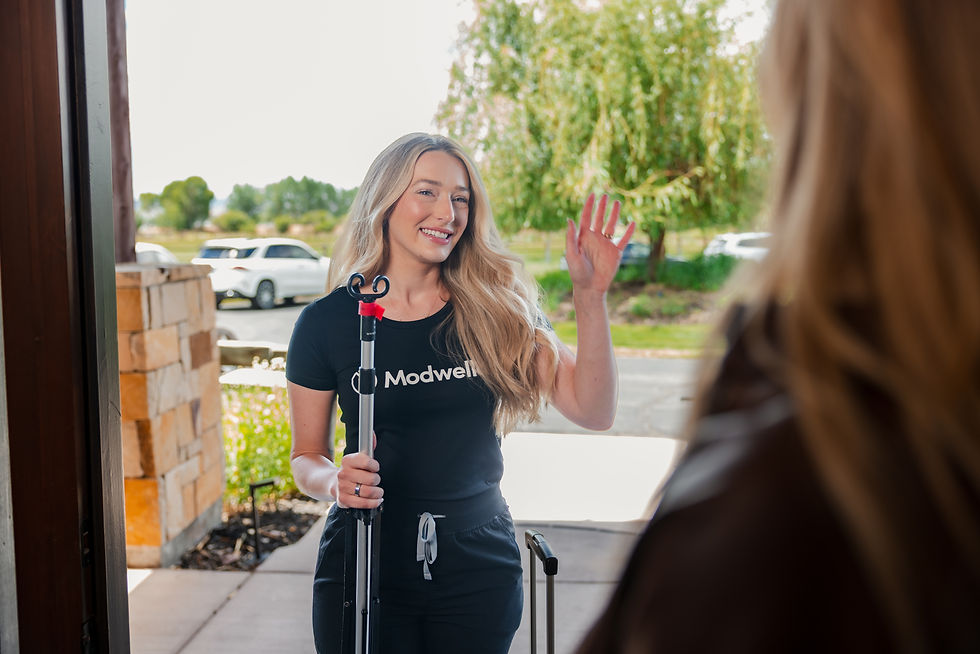
At Modwella, our in-home weight loss program is built around medical guidance, lab work, injection education, and ongoing support. You don’t have to guess your way through it.
What Is Peptide Therapy for Weight Loss?
Peptides are short chains of amino acids. Your body already uses amino acids to help with hormone production, tissue repair, metabolism, muscle support, and many other functions.
In medical weight loss, certain peptide based treatments can help with appetite regulation, satiety, blood sugar levels, and insulin sensitivity.
The most common options people hear about are GLP-1 medications. These include Semaglutide and Tirzepatide. You may know them by brand names like Ozempic, Wegovy, Mounjaro, and Zepbound.
GLP-1 stands for glucagon-like peptide 1. It’s a hormone that plays a role in appetite, digestion, insulin secretion, and blood sugar control.
Tirzepatide also works with GIP, another hormone involved in insulin response and metabolic health.
These medications can be powerful tools, but they should be used with provider oversight. Your health history, labs, medications, and goals all matter.
How Does Peptide Therapy Help With Weight Loss?
Peptide therapy for weight loss works by changing some of the signals that affect hunger, fullness, and how your body responds after eating.
Many people notice they feel full sooner. Some feel satisfied with smaller portions. Others say the constant pull toward snacks feels less intense.
That change can make healthy choices easier to repeat.
Peptides Can Help Reduce Appetite
A major reason GLP-1 medications are used in weight management is appetite control.
When appetite is lower, it may be easier to eat smaller meals, avoid grazing, and stop eating when you’re satisfied.
This doesn’t mean you won’t need structure. You still need protein, fluids, movement, and sleep. Peptide therapy can make those habits feel easier to follow.
Peptides Can Support Blood Sugar Levels
GLP-1 receptor agonists help the body respond to rising blood sugar after meals. They support insulin secretion when needed, which can help with blood sugar control.
This is one reason medications like Semaglutide and Tirzepatide are also used in type 2 diabetes care.
For people with insulin resistance, better blood sugar regulation may also help with cravings, energy changes, and weight management.
Peptides Can Help You Feel Full Longer
GLP-1 medications can slow digestion. When food leaves the stomach more slowly, you may feel full for longer after eating.
That can support fat loss by making it easier to reduce portions without feeling deprived all day. It can also cause digestive side effects for some people. Nausea, constipation, reflux, bloating, and feeling overly full can happen, especially when starting treatment or changing dose. That’s why support matters.
What Is Food Noise?
Food noise is the constant mental chatter around food.
It can feel like thinking about snacks all day, craving sugar at night, or planning your next meal right after you just ate. Some people feel like food takes up too much space in their mind.
Many people using GLP-1 medications say food noise gets quieter.
That can be a big deal. When food thoughts are less intense, it may be easier to eat with intention, make balanced choices, and stay consistent.
Food noise is also one reason willpower advice can feel so unhelpful. If your brain is constantly asking for food, “just try harder” doesn’t get to the root of the problem.
What Peptides Are Commonly Used for Weight Loss?
The most common peptide based treatments for medical weight loss are Semaglutide and Tirzepatide.
Semaglutide
Semaglutide works through GLP-1 pathways. It can help reduce appetite, slow digestion, support satiety, and help regulate blood sugar levels. Some people recognize Semaglutide by brand names like Ozempic and Wegovy.
Tirzepatide
Tirzepatide works through GLP-1 and GIP pathways. Because it affects both pathways, it may offer additional metabolic support for some people. Some people recognize Tirzepatide by brand names like Mounjaro and Zepbound. The right option depends on your medical history, labs, goals, and provider recommendation.
What About Other Peptides?
You may see other peptides mentioned online, including CJC 1295, ipamorelin, sermorelin, AOD 9604, and BPC 157.
These are different from GLP-1 medications.
Some are growth hormone releasing peptides. Some are discussed for recovery, tissue repair, body composition, muscle growth, or fat metabolism. Some are marketed as fat burning options.
The important thing is this: popularity online doesn’t always mean a peptide is the right fit for weight loss.
Some peptides have limited evidence for fat loss. Some may not be appropriate based on your medical history. Some shouldn’t be used without a provider reviewing your risks first.
A safer weight loss plan starts with screening, lab work, and medical guidance.
Why Do Labs Matter Before Starting Peptide Therapy?
Two people can have the same body mass index and need very different care.
One person may have insulin resistance, high A1C, thyroid changes, dyslipidemia, hypertension, or signs of poor metabolic health. Another person may have normal labs but struggle with appetite regulation, cravings, or weight regain after dieting.
Labs help your provider see what’s happening beneath the surface.
At Modwella, you can start with in-home lab services, or you may be able to send in recent lab work. From there, a medical provider can review your results and talk through your options.
Common mark
ers may include blood sugar, A1C, thyroid markers, kidney function, liver markers, lipid levels, and hormone markers when relevant.
This helps make the plan more personal. Your provider can look at your body, your health history, and your goals before making a recommendation.
Can You Lose Muscle During Peptide Therapy?
Yes, muscle loss can happen during weight loss.
This is especially important with medications that reduce appetite. If you’re eating much less and not getting enough protein, your body may lose lean muscle along with fat.
Muscle matters. It supports strength, balance, metabolism, and long term weight maintenance.
That’s why weight loss shouldn’t only be about the scale. Body composition matters too.
A strong plan should include enough protein, resistance training, hydration, and a realistic pace of weight loss. You want to support fat loss while protecting as much lean muscle as possible.
This is also why provider support is helpful. If your appetite drops too low, your care team can help you adjust your plan instead of letting you under-eat for weeks.
What Should You Eat While Using Peptide Therapy?
Most people do best with simple, balanced meals that are easier to digest.
Protein should come first. It helps protect muscle, keeps meals more satisfying, and supports body composition during weight loss.
Fiber also matters. Vegetables, fruit, beans, and whole food carbohydrates can help digestion and fullness.
Hydration is important too, especially if your appetite drops and you’re eating less overall.
Some people feel worse after greasy, fried, or very large meals while using GLP-1 medications. Smaller meals may be easier to tolerate.
You don’t need a perfect diet. You need a plan you can repeat.
What Side Effects Can Happen?
The most common side effects with GLP-1 medications are digestive.
You may notice nausea, constipation, diarrhea, reflux, bloating, or feeling full after only a few bites. These symptoms are often more noticeable when starting treatment or moving to a higher dose.
There are ways to manage them. If you feel nauseous, smaller meals may help. Eating slowly may help too. Greasy foods can make nausea worse for some people. If constipation happens, hydration, fiber, and movement may help. Talk with your provider before adding supplements or laxatives.
If your appetite feels too low, don’t ignore it. Low appetite can lead to low protein, low energy, and muscle loss. Your provider may adjust your plan or dose.
You should also avoid buying unapproved GLP-1 products online. The FDA has warned about unapproved drugs containing Semaglutide, Tirzepatide, or similar ingredients that are falsely marketed or sold in unsafe ways. You can read more from the FDA’s GLP-1 safety guidance.
What Makes Modwella’s Weight Loss Program Different?
Modwella brings medical weight loss support to you. Our program may include an in-home blood draw, lab review, a medical provider call, dose recommendation, injection education, and ongoing communication during your injection course.
That setup matters because starting peptide therapy can bring up a lot of questions.
What dose am I on? What should I eat? What happens if I feel nauseous? What if I’m losing too quickly? What if I stop losing? What do I do when I reach my goal?
You should have support through those moments. Modwella also offers other wellness services that may support your broader health plan, including IV therapy and NAD plus therapy. These services don’t replace weight loss medication, but they may fit into a larger wellness plan for hydration, recovery, and energy support.
What Happens After You Reach Your Goal Weight?
Maintenance should be part of the plan from the beginning. After weight loss, your provider may talk with you about your dose, labs, appetite, nutrition, body composition, and long term goals. Some people stay on medication longer term. Some lower their dose. Some transition off with a provider guided plan.
There isn’t one answer that fits everyone. Long term weight management often includes protein goals, strength training, routine lab monitoring, sleep support, stress support, and a plan for appetite changes. The goal is to help you keep your progress in a way that works for your real life.
FAQs About Peptide Therapy for Weight Loss
How much weight can you lose with peptide therapy?
Results vary. Your starting weight, medication, dose, nutrition, activity level, labs, sleep, and health history can all affect progress. A provider can help you set a realistic goal.
How long does peptide therapy take to work?
Some people notice appetite changes within the first few weeks. Weight changes usually take more time and tend to happen gradually.
Is peptide therapy the same as Ozempic?
Ozempic is a brand name for Semaglutide. Semaglutide is one type of GLP-1 medication.
Peptide therapy for weight loss may include Semaglutide, Tirzepatide, or another provider recommended option.
What’s the difference between Semaglutide and Tirzepatide?
Semaglutide works through GLP-1 pathways. Tirzepatide works through GLP-1 and GIP pathways. Your provider can help decide which option makes sense for your body and goals.
Do you have to stay on peptides forever?
Some people stay on treatment longer term. Some lower their dose. Some transition into maintenance without staying on the same plan. This should be guided by a medical provider.
Who should avoid peptide therapy for weight loss?
Peptide therapy isn’t right for everyone. Your provider should review your medical history, medications, labs, pregnancy status, and personal risk factors before recommending treatment.
Is Peptide Therapy for Weight Loss Right for You?
Peptide therapy for weight loss may be helpful if appetite, cravings, insulin resistance, weight regain, or slow progress have made weight management feel hard to maintain.
The best next step is a provider guided plan.
With Modwella’s in-home weight loss program, you can get lab work, medical guidance, injection education, and ongoing support without adding another clinic visit to your schedule.
Your weight loss plan should fit your body, your labs, and your real life.


From what I’ve seen, the infrastructure is more complex than many people assume. Certified RNG systems, independent audits, licensed operators, and encrypted payment processing all play a role in reducing unnecessary risks. If someone wants background information before forming an opinion, it may be useful to learn how online gambling websites work and compare it with publicly available information from regulators. I still think any claims about fairness should be verified through licensing details and audit reports rather than accepted at face value. A cautious and evidence-based approach is usually the most reasonable one.